
Views: 0 Author: Site Editor Publish Time: 2026-02-04 Origin: Site
Have you ever wondered what makes a crane capable of lifting massive loads? Understanding the crane components is key to unlocking their power and efficiency. In this article, we will explore the five essential components of a crane and their specific functions, helping you understand how each part contributes to safe and efficient operations.
The boom is a pivotal component in a crane's structure, often considered its most prominent feature. It is the large arm that extends horizontally or vertically, enabling the crane to lift and move heavy loads across various distances. The boom's primary function is to provide the necessary reach and height for the crane, making it indispensable in construction, shipping, and heavy-duty lifting tasks. Without the boom, the crane would not have the ability to reach the necessary heights or extend across large areas to pick up materials.
For example, in construction sites, the boom allows tower cranes to lift materials to impressive heights, far beyond human reach. It can be found in different configurations based on the type of crane and its specific purpose, each designed for various types of jobs.
Cranes are equipped with different types of booms, each suited to distinct lifting needs and applications. These booms vary based on material, design, and functionality. Below are the most common types:
● Hydraulic Boom: The hydraulic boom uses hydraulic pressure to extend and retract, offering great flexibility. This type of boom is commonly used in mobile cranes, where flexibility is needed for quick adjustments on job sites. It is often designed to telescope, allowing for various boom lengths and making it highly adaptable to different lifting heights and distances.
● Lattice Boom: Unlike hydraulic booms, lattice booms are made of welded steel bars and have a lattice-like appearance. This design offers a balance between strength and weight, making it a highly efficient choice for larger cranes used in heavy-duty construction. The fixed length of a lattice boom provides immense strength, although it lacks the adjustability of a hydraulic boom. These booms are commonly used in crawler cranes, where strength and stability are critical.
The boom is crucial not only for extending the crane’s reach but also for distributing the load evenly during lifting operations. Its main role is to provide the height and reach needed for lifting materials, such as steel beams, concrete panels, and even vehicles. By using a boom, a crane can safely handle heavy loads and move them to the desired location.
The design of the boom allows it to support various types of attachments, including lifting slings and hooks, which further enhance its versatility in construction. The boom also ensures that the load is lifted vertically, while the crane moves it horizontally. This combination of functionality makes the boom one of the most important components of any crane, ensuring safety and efficiency at job sites.
Furthermore, the stability of the crane during lifting is largely attributed to the boom, as it distributes the force of the load evenly, preventing tipping or instability. Without a robust boom, cranes would struggle to manage large loads or operate at heights.
The hoist is one of the most crucial components of a crane, as it serves as the lifting mechanism that handles the vertical movement of materials. It consists of several key elements, including a drum, wire rope or chain, and a motor, all of which work together to raise or lower heavy loads. The hoist is often referred to as the "heart" of the crane because it directly manages the lifting process, converting mechanical or electrical energy into the power necessary to handle large, heavy materials efficiently.
The drum, typically made of durable materials like steel, holds and winds the rope or chain used in the lifting process. This rope or chain connects the load to the crane, facilitating its vertical movement. Meanwhile, the motor provides the necessary energy to operate the drum and move the rope or chain, ensuring smooth and precise lifts.
The hoist plays an essential role in enabling cranes to function by allowing the controlled lifting and lowering of loads. The main function of the hoist is to provide the vertical lift necessary to move materials from one point to another. This is achieved through the coordinated operation of the drum, rope, and motor, which allow the load to be raised to the desired height or lowered gently to the ground.
One of the key functions of the hoist is its ability to maintain control over the load during lifting operations. The motor works in conjunction with the braking system to ensure that the load moves smoothly, without abrupt movements that could potentially cause safety issues. The hoist is responsible for preventing any swaying or swinging of the load, which could lead to instability and accidents.
Moreover, the hoist is adaptable to various lifting capacities, depending on the design and strength of the rope or chain. It is capable of handling a wide range of loads, from small materials on light-duty cranes to massive industrial components on larger machines. The versatility of the hoist makes it essential for operations across many industries, including construction, manufacturing, and shipping.
Hoist Type | Power Source | Typical Use | Load Capacity |
Chain Hoist | Electric, Pneumatic | Small-scale lifting operations | Up to 5 tons |
Wire Rope Hoist | Electric | Heavy-duty lifting for large construction projects | 5 tons and above |
Manual Hoist | Manual | Light, small-scale lifting in workshops | Typically under 1 ton |
While the hoist is built to perform heavy lifting, the maintenance and inspection of this component are crucial to its long-term functionality. Regular checks of the drum, rope, and motor are necessary to ensure safety and prevent malfunction. Overloading a hoist or failing to maintain the rope can lead to wear and tear, which could result in dangerous failures. Additionally, hoist systems are designed with different load capacities and motor types to match the needs of the crane and the job site, ensuring that the hoist is optimized for each specific task.
Another essential aspect is the integration of hoist control systems. The control systems allow the operator to precisely adjust the speed and movement of the hoist, ensuring accurate placement of materials. Whether the operator uses manual controls or advanced remote systems, having reliable and responsive control mechanisms is critical for achieving smooth and safe operation.
Counterweights are a critical component in maintaining the stability of a crane during lifting operations. These weights are strategically positioned opposite the crane's boom to counterbalance the force created when lifting heavy loads. The purpose of the counterweights is to prevent the crane from tipping over, ensuring that the machine remains stable and safe during operation.
These counterweights can be made from a variety of materials, including concrete or steel, and are removable based on the weight of the load being lifted. By adjusting the counterweights, crane operators can balance the crane to lift heavier loads more efficiently without compromising safety.
The positioning of the counterweights plays a key role in preventing crane instability. In some cranes, especially larger ones, counterweights can be adjusted or even added depending on the weight and size of the load, further enhancing the crane's lifting capacity.
Outriggers are another essential component that contributes to the overall stability of the crane. They are extendable arms that reach out from the crane's base to increase its surface area. By expanding the footprint of the crane, outriggers help distribute the weight of the load more evenly, thus preventing the crane from tipping over during heavy lifts.
While counterweights are primarily responsible for balancing the crane in the opposite direction of the load, outriggers provide an additional layer of stability by ensuring that the crane remains level and secure during operations. This is especially important when lifting loads off-center or when the crane is on uneven ground. The use of outriggers is especially critical for mobile cranes operating in tight spaces or on soft terrain.
Together, counterweights and outriggers are crucial for ensuring the crane's stability and safety during lifting operations. They work in tandem to prevent the crane from tipping and to ensure that it remains balanced throughout the entire lifting process. Below is an overview of how each component functions:
Component | Function | Effect on Crane Operations |
Counterweights | Added to the opposite end of the boom to balance the crane | Prevents tipping, supports lifting of heavy loads |
Outriggers | Extend from the crane's base to stabilize and level the machine | Increases surface area, prevents crane from tilting |
The counterweights provide the necessary force to offset the weight of the load, while the outriggers extend the crane's base, increasing its stability. Together, they help maintain a safe working environment for crane operators and those working around the machine.
The stability provided by counterweights and outriggers ensures that cranes can handle large, off-center loads without compromising safety. Their design and implementation are tailored to the specific needs of the crane type and the working environment, making them indispensable for any heavy-lifting operation.
The trolley is a vital component of a crane, responsible for moving the hoist horizontally along the crane’s bridge or beam. This mechanism plays a central role in the precise positioning of loads during lifting and lowering operations. By allowing lateral movement, the trolley provides the flexibility necessary to shift loads horizontally across the crane's operating area, significantly enhancing the versatility and efficiency of the crane. The ability to move the hoist side to side means that the crane can cover a larger area, perform multiple tasks, and adjust load placement with greater accuracy.
Without the trolley, the crane would be limited to vertical lifts and would not have the ability to reposition the load once it has been lifted. This would make it difficult, if not impossible, to perform complex material handling tasks where precise positioning is required.
The trolley ensures that the hoist can travel horizontally, adjusting the load's position within the crane’s operational range. This horizontal movement is essential for cranes working in environments that require high precision, such as construction sites, factories, or shipping yards. By moving the hoist along the crane’s bridge, the trolley gives operators the ability to place loads exactly where they are needed, even when working with large or cumbersome materials.
The trolley's functionality is not limited to simply moving the hoist from one point to another. It allows for fine adjustments, making it possible to shift a load laterally with great accuracy. This is particularly important when dealing with tight spaces or complex lifting tasks. For example, in a construction setting, the trolley enables the crane to move beams or other building materials precisely into position, ensuring that they are placed correctly without the risk of swinging or uncontrolled movement.
Additionally, the trolley can be designed to support the hoist in various configurations, such as top-running or under-running, depending on the crane's design and intended use. Top-running trolleys move along the upper part of the crane’s beam, while under-running trolleys travel along the underside of the beam. Both types offer different advantages depending on the space and lifting requirements.
Trolley Type | Position | Key Feature | Common Use |
Top-Running Trolley | Above the beam | Provides high stability and load support | Suitable for larger cranes, high-capacity lifts |
Under-Running Trolley | Below the beam | More compact, often used for tight spaces | Ideal for smaller cranes, efficient in confined environments |
The trolley offers several advantages that directly contribute to the crane's efficiency and safety during operations. These include:
1. Increased Precision: The ability to move the hoist horizontally allows for precise load positioning, reducing the chances of errors and improving safety.
2. Enhanced Versatility: A crane with a trolley can handle a wider range of lifting tasks, from vertical lifts to complex, multi-directional movements.
3. Efficient Use of Space: The trolley allows cranes to operate in confined spaces, as it can adjust the position of the load with minimal movement, saving valuable workspace.
4. Improved Load Distribution: The trolley helps distribute the load evenly, preventing undue stress on the crane’s structural components and enhancing its lifespan.
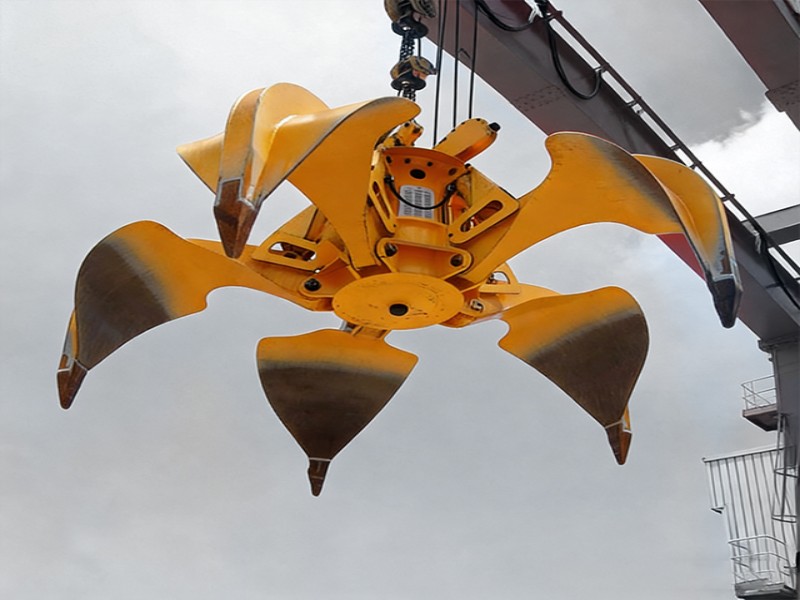
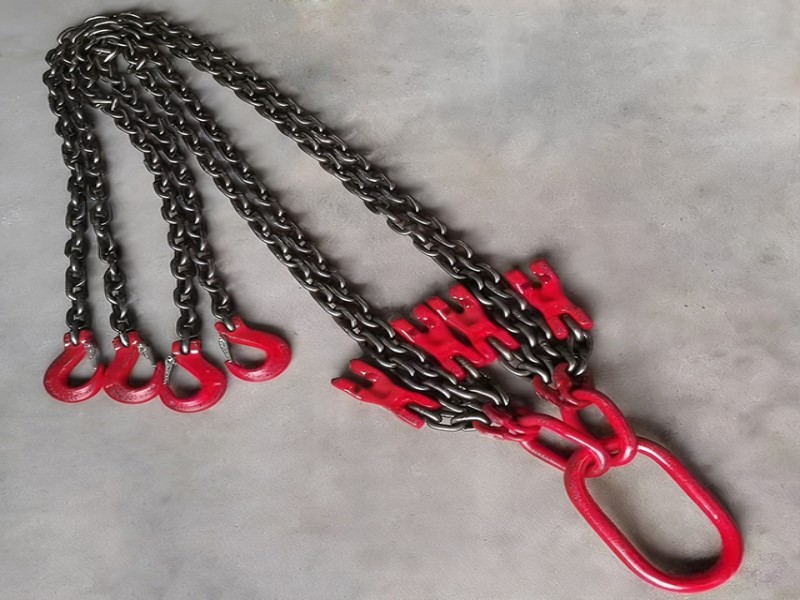
Lifting attachments are specialized tools or devices that are connected to a crane's hook, allowing it to safely lift a wide variety of loads. These attachments serve as the critical link between the crane and the material being handled, ensuring secure connections during lifting operations. Depending on the type of load and its specific handling requirements, the lifting attachments can include hooks, slings, grabs, magnets, and other customized devices designed for specific lifting tasks.
For example, a hook is commonly used for lifting standard loads, while grabs may be used for handling bulk materials like gravel or scrap metal. Magnets are employed when lifting ferrous materials, allowing for easy handling of steel sheets, pipes, and other magnetic items. The versatility of lifting attachments is one of the key factors that make cranes so adaptable across various industries, from construction to manufacturing and logistics.
The primary function of lifting attachments is to safely connect the crane to the load, ensuring that materials can be lifted without risk of damage or unsafe handling. Here are some of the critical roles that lifting attachments play:
1. Secure Connection: They provide a strong, stable link between the crane's hook and the load, which is essential for safely lifting materials. Without the right attachment, the crane may not be able to securely hold the load, potentially leading to accidents or damage.
2. Specialized Handling: Different lifting attachments are designed to handle specific types of loads. For instance, slings are flexible, allowing them to wrap around irregularly shaped objects, while grabs can securely hold loose materials like sand or gravel.
3. Maximizing Efficiency: By using the right lifting attachment for the job, crane operators can handle materials more efficiently, minimizing downtime and improving productivity. For instance, using a magnet to lift steel can be faster and safer than using slings for the same material.
Attachment Type | Common Uses | Key Features | Load Capacity |
Hook | General lifting of materials | Simple, versatile, used with many types of loads | Varies, from light to heavy loads |
Slings | Lifting irregularly shaped loads | Flexible, wraps around items, can be chain, rope, or fabric | Up to several tons |
Grabs | Handling bulk materials (e.g., gravel, scrap) | Clamps material securely, ideal for loose materials | Varies by material |
Magnets | Lifting ferrous materials (steel, metal) | Powerful magnetic grip, reduces handling time | Up to several tons |
The importance of lifting attachments cannot be overstated, as they directly influence the efficiency and safety of crane operations. Without the right attachment, the crane’s lifting capability would be severely limited, and the risk of accidents would increase. For example, if a hook is used to lift a load that requires more secure handling, like a loose pile of materials, the load may shift, leading to dangerous situations.
In addition to enhancing safety, lifting attachments are also critical for improving productivity. By selecting the correct attachment for each lifting task, crane operators can complete jobs faster, reducing the time spent on each lift and improving overall efficiency. Whether lifting small objects, heavy machinery, or bulk materials, the appropriate lifting attachment ensures that the crane can perform its tasks in the most effective manner possible.
Each component of a crane plays a vital role in ensuring its safe and efficient operation. From the boom that provides height and reach to the hoist that lifts heavy loads, the counterweights and outriggers that stabilize the crane, the trolley that moves the hoist, and the lifting attachments that secure the load, understanding these parts is essential for safe crane operation. By mastering the functions of these five key crane components, operators can maximize crane performance and ensure a safer working environment. Novocrane (Suzhou) Co., Ltd. offers high-quality cranes designed to enhance operational efficiency, providing durable and reliable solutions for heavy lifting tasks.
A: The main crane components that impact lifting capacity include the boom, hoist, and counterweights, as these parts determine the crane's height, stability, and load-handling ability.
A: Crane components like counterweights and outriggers are crucial for ensuring stability, preventing the crane from tipping over during heavy lifts and while operating on uneven ground.
A: The trolley moves the hoist horizontally along the crane’s beam, allowing precise load positioning within the crane's operational range.
A: The hoist is responsible for the vertical movement of loads, utilizing a drum, rope, or chain powered by a motor to lift or lower materials.


